
Offer Ends In
00
:
00
:
00
:
00
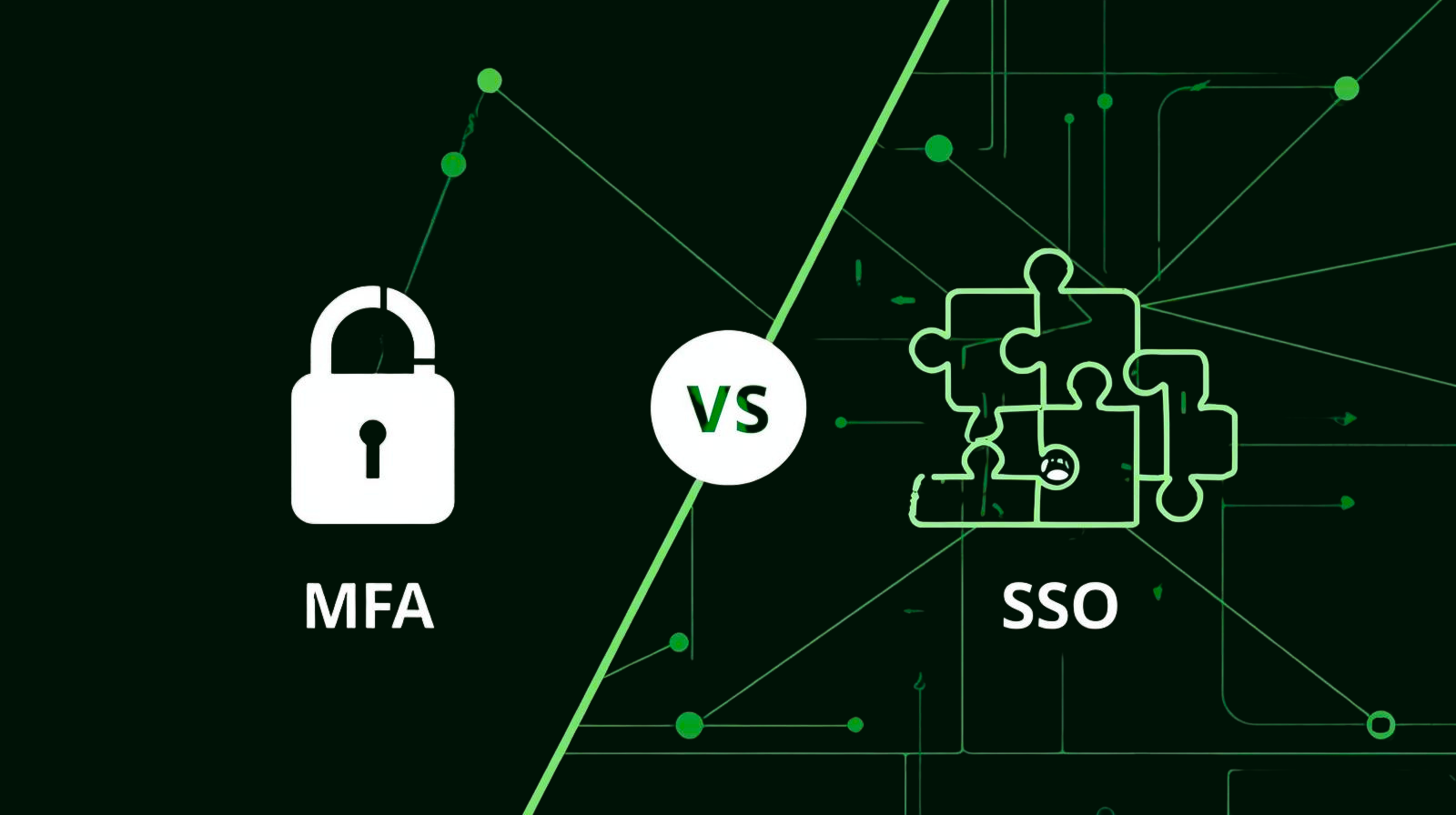
Single sign-on (SSO) is an authentication approach that allows users to log in once using a third party account and access multiple applications without having to enter their credentials again.
After the initial login, the trusted identity provider verifies the user’s identity and securely transfers that confirmation to the connected system or multiple systems, allowing seamless access with just one click, across tools and platforms.
Multi-factor authentication (MFA) is a security method that requires users to prove their identity using more than one type of verification before access is granted. These factors typically include something the user knows, something they have, or something they are, and can include methods like OTP or face recognition, making it significantly harder for attackers to gain access even if login credentials are stolen.
MFA is most critical when systems store or process sensitive information such as financial records, personal data, healthcare information or proprietary business assets that need to use the maximum possible level of security. In these environments, the consequences of unauthorized access are severe, and relying on a single credential creates unnecessary exposure that can be prevented by MFA.
Protection Against Stolen Credentials
Passwords are exposed to phishing, malware and third-party data breaches. MFA directly addresses this reality that can’t be overseen by reducing the value of stolen credentials and adding an extra layer of security. Even if the attacker has a user’s password, they cannot proceed with stealing the account, as the multiple authentication layers prevent it.
Many industries are required to enforce stronger authentication controls to meet regulatory standards. MFA is often mandated or strongly recommended to comply with data protection regulations, audits and security frameworks. In these cases, MFA is not just a best practice but an essential requirement.
SSO becomes valuable when users need to use a large number of applications, as it removes the need to enter and store multiple passwords. Without SSO, repeated logins interrupt workflows and slow processes. By allowing users to authenticate once and move freely between tools, SSO removes friction while keeping access under control and more centralized.
From the side of IT professionals and administrators, SSO centralizes access control in one account and single credentials. User permissions can be granted, updated or revoked from a single system, reducing the risk of inconsistent access across applications and scattered accounts that are managed with complexity.
SSO reduces the volume of password-related support requests, which are among the most common IT help desk issues. By lowering the number of login problems users face, SSO helps IT teams focus on higher value tasks instead of repetitive credential recovery.
SSO and MFA are both beneficial and each one has its positive outcomes, and they can also work perfectly together. One simplifies access, the other strengthens verification. When used together, they reduce risk without sacrificing usability, creating an authentication model that supports both ease of use, centralization, protection and compliance.



